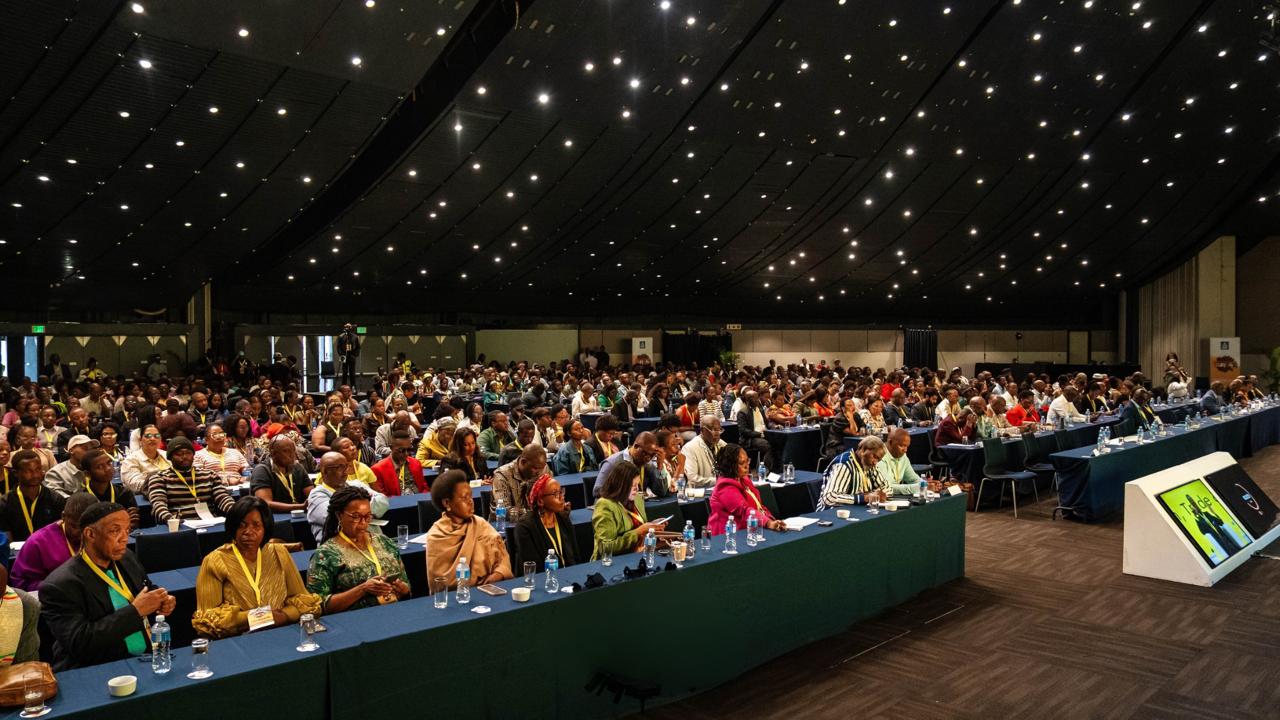
You have a few minutes, a room full of potential investors and partners, and a business you have poured everything into. What you say next could open the door to funding, partnerships or your first international customer.
The reSURGEnce Durban 2026 Pitch Competition is designed to connect small and micro-sized enterprises with investors and partners, while providing practical training in dealmaking, pitching, funding and equity formation. Whether you are pitching on stage or simply want to be ready when an investor asks, “So what does your business do?”, this guide will help you prepare.
Pitch Competition at a glance
- Date: [Day and time, between 24 and 27 October]
- Venue: Inkosi Albert Luthuli ICC, Durban
- Who can enter: [Eligibility]
- How to enter: [Entry process and link]
- Entry deadline: [Date]
- Pitch length: [Minutes, plus Q&A]
- What’s at stake: [Prizes, investor meetings or support]
Start with the story, not the slides
Investors hear many pitches. The ones they remember are built on a clear, simple story. Before you open a slide deck, write your pitch as a paragraph that answers four questions:
- What problem are you solving, and for whom?
- How does your business solve it?
- Why now, and why you?
- What do you need, and what will you do with it?
If you can’t answer these in plain language, your audience won’t be able to either. Practise until you can say it in 60 seconds without notes.
Structure your pitch
Most strong pitches follow a similar shape. Use this as a checklist, and spend the most time on the parts where your business is strongest.
- The problem. Make it concrete. A real customer, a real cost, a real frustration.
- Your solution. What you sell and how it works, in one or two sentences.
- The market. Who buys this and how many of them there are. Be realistic. A focused, believable market is more persuasive than an inflated one.
- Traction. Sales, customers, pilots, partnerships, repeat orders. Evidence that people want what you make is the most powerful thing you can show.
- Business model. How you make money, and what it costs you to deliver.
- The team. Why you and your team are the right people to build this.
- The ask. How much you are raising or what partnership you want, and exactly what it will unlock.
Know your numbers cold
Nothing loses an investor faster than a founder who doesn’t know their own figures. Before the competition, make sure you can answer these without hesitation:
- Monthly or annual revenue, and how it has grown
- Gross margin on your main product or service
- Monthly costs and how long your cash will last
- Customer acquisition cost, if you know it
- How much you are asking for, and how it will be used
- What the investor gets in return: equity, a loan, a revenue share or a partnership
If a number is small, say it with confidence. Early-stage investors expect early-stage numbers. What they want is a founder who understands the business.
Understand the deal you are asking for
One of the goals of the reSURGEnce pitch programme is to build understanding of dealmaking and equity formation. Many small business owners have never raised investment before. Before you pitch, think through:
- Debt or equity? A loan must be repaid. Equity means giving up part of your business.
- Valuation. If you are offering equity, what percentage are you offering, and what does that imply your business is worth?
- Control. What decisions are you willing to share with an investor?
- Non-financial value. Sometimes the right partner brings market access, expertise or distribution that is worth more than the cash.
You don’t need all the answers on the day. But showing you have thought about them sets you apart.
Prepare for the questions
The Q&A is often where pitches are won or lost. Write down the ten hardest questions someone could ask you, and practise answering each in under 30 seconds. Common ones include:
- Who are your competitors, and why will you win?
- What happens if a bigger company copies you?
- Why haven’t you grown faster?
- What is the biggest risk to your business?
- How will you reach international customers?
If you don’t know an answer, say so honestly and offer to follow up. Investors respect candour far more than bluffing.
Rehearse out loud
Reading your pitch silently is not practice. Say it out loud, to a timer, in front of people who will give you honest feedback. Record yourself on your phone and watch it back. Cut anything that doesn’t earn its place.
On the day, speak slowly, make eye contact, and finish on time. Running over signals that you can’t prioritise.
Bring the essentials
- A one-page summary of your business, printed and as a PDF on your phone
- Business cards or a QR code linking to your website or contact details
- Product samples, if you have a physical product
- A short list of the investors or partners you most want to meet
Don’t stop when the pitch ends
The pitch is the start of the conversation, not the end. Use the rest of the conference to follow up with anyone who showed interest. Send a short message within 48 hours, thank them, and suggest a clear next step.
Win or lose, you will leave with sharper messaging, a better understanding of investors and a network you didn’t have before.
Get ready now
reSURGEnce Durban 2026 runs from 24 to 27 October at the Inkosi Albert Luthuli ICC. Local entrepreneurs can attend for free with the Local Delegates Pass.