Ask almost any small business owner in Africa what is holding them back, and the answer is the same: capital. Not ideas, not effort, not demand. Money to buy stock, hire staff, upgrade equipment or enter a new market.
The gap is real. Banks often require collateral that young businesses don’t have. Investors tend to back founders they already know. And for Black and women-owned businesses, these barriers are higher still.
But there is also good news. Capital is available, from more sources than most entrepreneurs realise. The businesses that access it are usually not the ones with the best idea, but the ones that are investor-ready. This guide explains what that means and how to get there.
Know the funding ladder
Different types of capital suit different stages of business. Matching your need to the right source saves time and rejection.
- Your own resources and revenue. Most businesses start here. Reinvesting profits keeps you in control.
- Grants and competitions. Free money, but competitive and usually tied to specific goals such as job creation, innovation or women’s entrepreneurship. Pitch competitions can also open doors to investors.
- Supplier and enterprise development funding. In South Africa, many large companies fund and support small suppliers as part of enterprise and supplier development programmes. This can come with contracts attached.
- Development finance institutions (DFIs). Bodies such as the Industrial Development Corporation (IDC) and the National Empowerment Fund (NEF) in South Africa, and their equivalents across the continent, fund businesses that commercial banks may consider too risky.
- Bank loans and asset finance. Best for established businesses with steady cash flow, or for buying equipment that can secure the loan.
- Angel investors. Individuals who invest their own money, often with mentorship and contacts attached.
- Venture capital and private equity. For businesses with high growth potential, usually in exchange for a significant share of ownership.
- Diaspora investment. A growing and often overlooked source. Africans abroad are increasingly looking to invest in businesses on the continent, and often bring market access along with capital.
Ask yourself: how much do you need, what will it unlock, and how much control are you willing to share? Your answers will point you to the right rung.
The investor-ready checklist
Whatever source you approach, funders want to reduce their risk. Being investor-ready means removing the reasons for them to say no.
1. Get your house in order
- Register your business formally and keep your registration documents current.
- Make sure your tax affairs are up to date. In South Africa, that means a valid tax compliance status from SARS.
- Open a dedicated business bank account and keep personal and business money separate.
- If you have partners, put a shareholders’ agreement in writing.
2. Keep clean financial records
Funders invest in numbers, not stories alone. At a minimum, you should have:
- Monthly management accounts showing income, expenses and profit
- A cash flow statement, so you know how much cash you have and how long it will last
- Annual financial statements, ideally prepared or reviewed by an accountant
- A simple financial forecast for the next one to three years
If your records are currently in a notebook or scattered across WhatsApp messages, start fixing that today. Affordable accounting software and a part-time bookkeeper can transform how funders see you.
3. Write a clear business plan
It doesn’t need to be 50 pages. A focused plan should explain what you sell, who buys it, how you reach them, who you compete with, and how the funding will help you grow. Keep a two-page summary on hand for first conversations.
4. Build a short pitch deck
Ten to twelve slides covering the problem, your solution, the market, traction, business model, team, financials and your ask. This is what most investors will look at first.
5. Show traction
Evidence beats promises. Paying customers, repeat orders, signed contracts, letters of intent and pilots all show that your business works. Document them.
6. Know exactly what you are asking for
Be specific: “We need R1.2 million to buy a second production line, which will double output and let us supply two new retailers.” Vague asks get vague answers.
Mistakes that cost founders funding
- Approaching the wrong funder. A VC fund won’t back a business that will never scale quickly. A bank won’t lend without cash flow. Research before you reach out.
- Overvaluing the business. Unrealistic valuations end conversations early.
- Hiding problems. Investors will find them during due diligence. Better to address them upfront.
- Ignoring relationships. Most investment follows trust, and trust takes time. Start building relationships before you need the money.
Why relationships matter most
That last point is the one most often overlooked. Capital follows trust, and trust is built face to face. This is why conferences focused on access matter so much for under-represented businesses. They put founders in the same room as the people who make funding decisions.
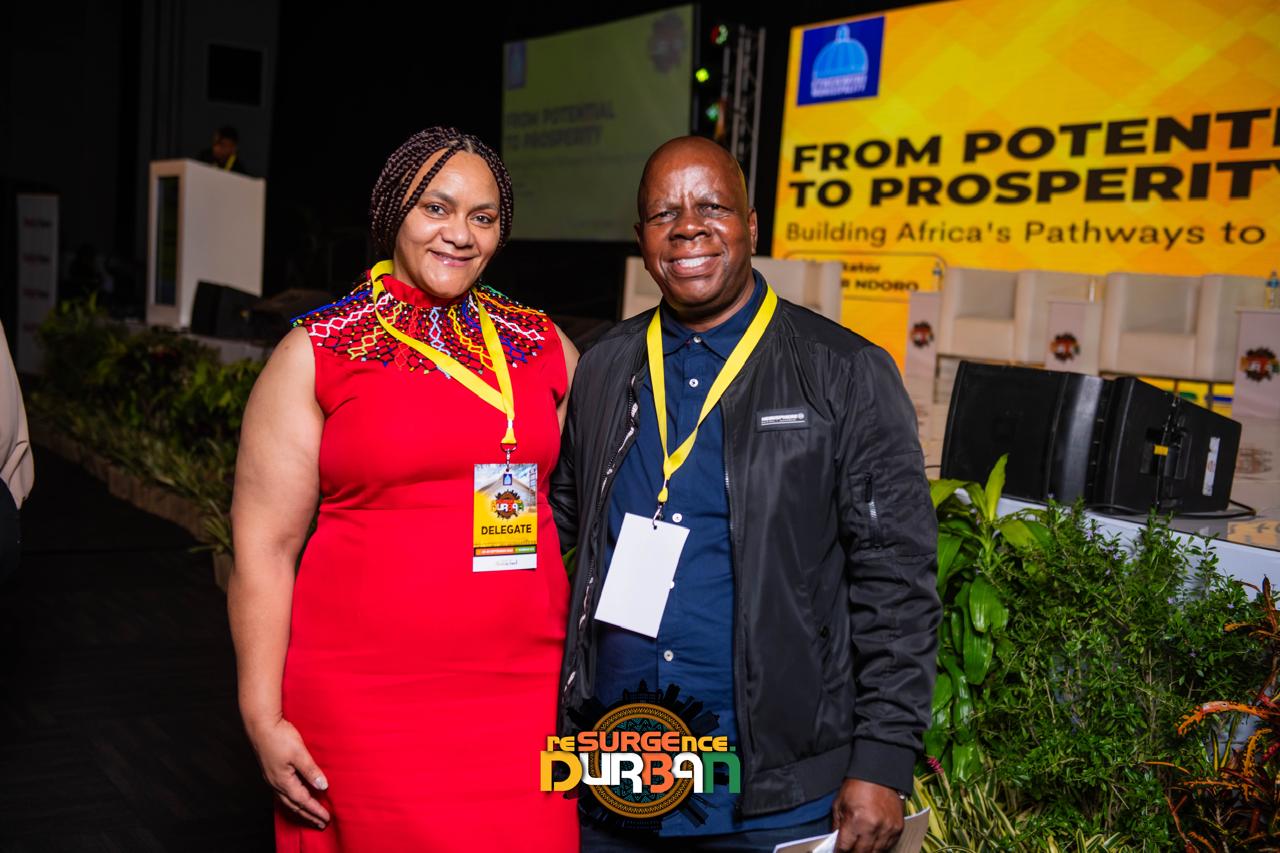
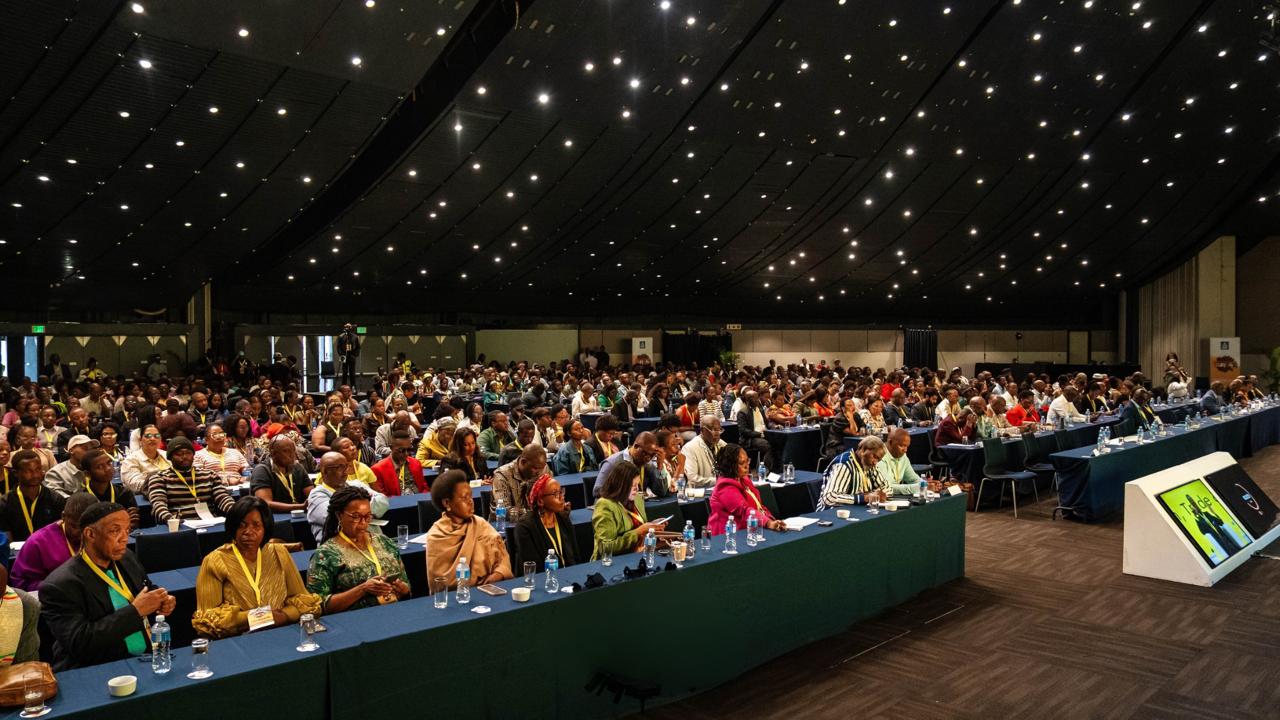
Access to capital is one of the ten focus areas of reSURGEnce Durban 2026, taking place from 24 to 27 October at the Inkosi Albert Luthuli ICC. The organisers describe the conference as opening doors to a network of more than 2,000 venture capitalists, DFIs, angel investors and corporate funders. Sessions will cover funding strategies, banking and investment, alongside a Pitch Competition and practical training in dealmaking and equity.
Your next step
Pick one item from the checklist above and complete it this week. Then come to Durban ready to meet the people who could fund your next stage of growth.
Register for reSURGEnce Durban 2026
Local Durban entrepreneurs can attend for free with the Local Delegates Pass.